Glioblastoma, also called GBM, is an aggressive brain tumor. Care often combines surgery, radiation, and drug treatment. At the Strickland Brain Lab, we study the biology that makes glioblastoma difficult to treat and investigate ways to improve immune responses to the tumor.
What is the role of glioblastoma surgery?
Surgery can provide tissue for diagnosis and remove tumor when feasible. The extent of removal depends on the tumor’s location and the risk to neurological function. When a tumor cannot be safely removed, a biopsy may help establish the diagnosis. A neurosurgeon and the wider treatment team use these findings to plan care. NCI treatment overview
What treatments are used after surgery?
For many adults with newly diagnosed glioblastoma, treatment includes radiation with the chemotherapy drug temozolomide, followed by temozolomide alone. The plan depends on a person’s health, tumor characteristics, and treatment goals. Recurrence requires another assessment of the available options, which may include clinical trials. NCI professional treatment summary
Where do immunotherapy and focused ultrasound fit?
Our research examines the tumor microenvironment: the immune cells, signals, and surrounding tissue that influence a cancer’s behavior. We focus on tumor-associated macrophages, immune suppression, focused ultrasound, and cellular therapies. These programs investigate new approaches; they do not establish that an experimental treatment is effective for an individual patient.
In 2026, MUSC Hollings Cancer Center reported American Cancer Society support for Dr. Strickland’s work on macrophage-directed glioblastoma immunotherapy. Read MUSC’s account of the project and our laboratory research areas.
Dr. Ben Strickland at MUSC in Charleston
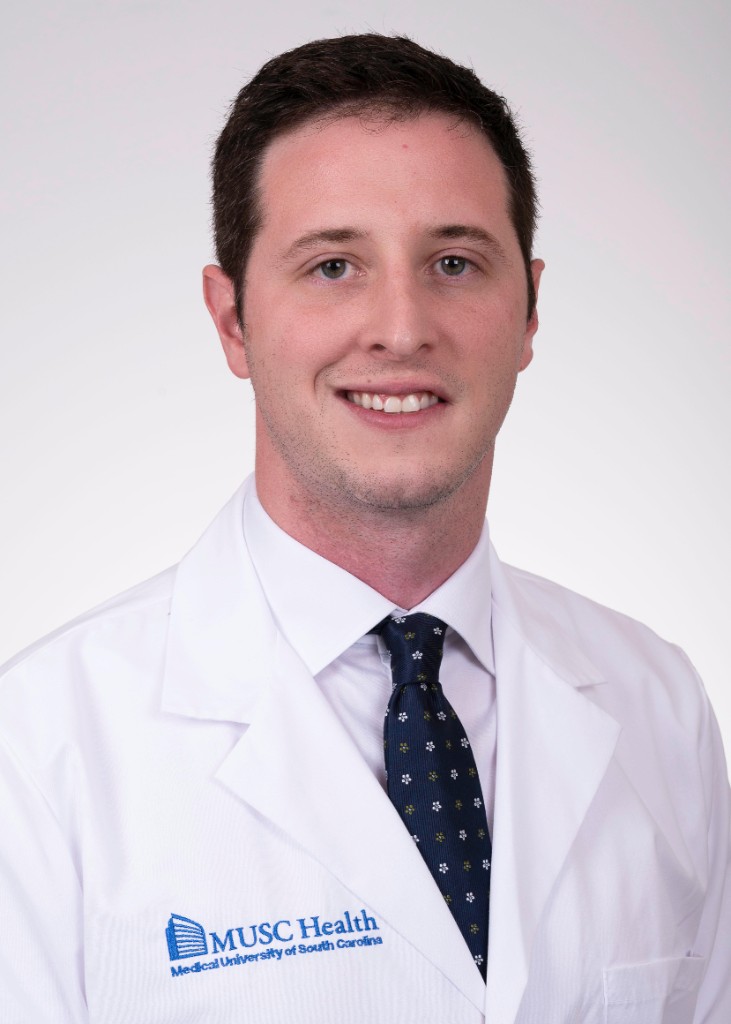
Dr. Ben Allen Strickland is a neurosurgeon at the Medical University of South Carolina and principal investigator of the Strickland Brain Tumor Immunology Lab. His clinical interests include brain, skull base, and pituitary surgery.
For appointments or a clinical consultation, use Dr. Strickland’s official MUSC Health profile. For scientific collaboration, visit our lab contact page.
Questions to discuss with your care team
- What does the tissue diagnosis show, and which tumor tests are available?
- What is the goal of surgery in my case, and which functions could be affected?
- How will surgery, radiation, and drug treatment be coordinated?
- Are there clinical trials appropriate for my diagnosis and treatment history?
Read the evidence
- NCI: Adult central nervous system tumors treatment, patient version
- NCI: Central nervous system tumors treatment, professional version
- Dr. Strickland’s peer-reviewed publications
Published by the Strickland Brain Lab. Updated October 16, 2026.